


What a Drum Can Teach That a Worksheet Can’t
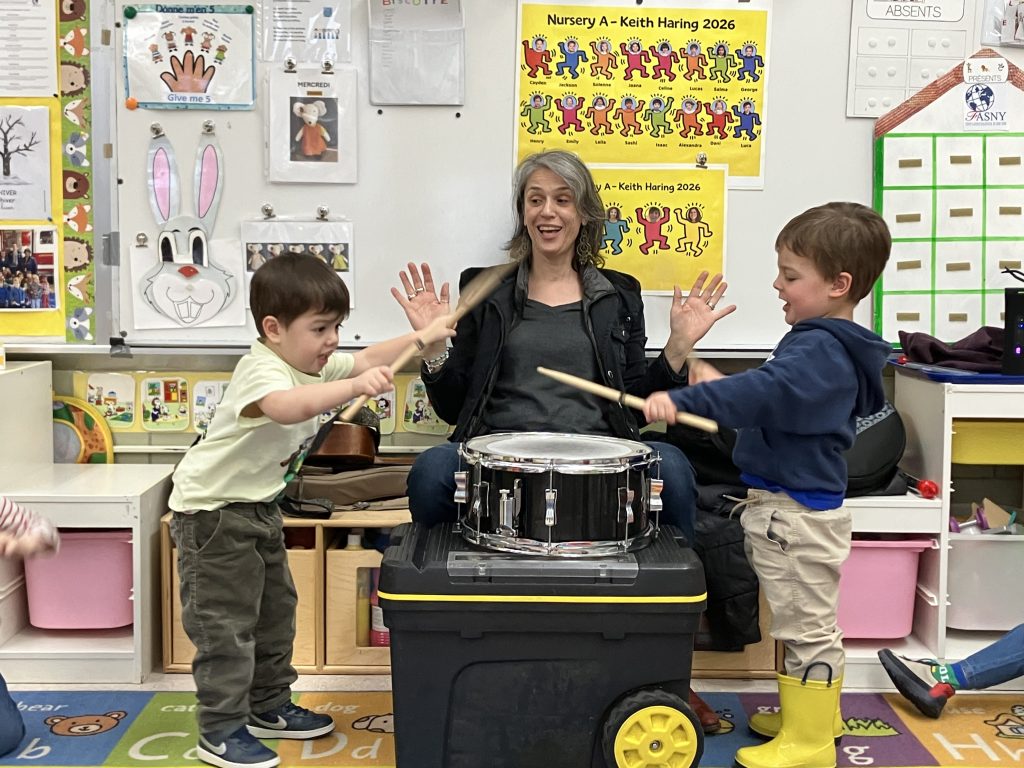
There is something almost irresistible about putting a drum in front of a child.
Their eyes usually go straight to it. A hand reaches out. There might be one cautious little tap at first, followed by another, and then suddenly the room has a brand-new drummer who is very committed to making sure everyone knows it.
I love moments like these because, from the outside, it might look like a child is simply making noise. But if you look a little closer, there is an incredible amount of learning happening between those beats.
The child is experimenting with cause and effect. They are discovering what happens when they tap gently compared with when they use more force. They are listening to the sound they created, watching how other children respond, coordinating their hands, following rhythms, and figuring out when it is their turn to play.
No pencil required.
As children settle into a new school year this September, there can be a lot of attention on what they need to know, remember, complete, and get right. Worksheets certainly have their place, but some of the most important lessons of childhood cannot be captured inside a little box on a piece of paper.
Sometimes, you need a drum.
Learning That Children Can Feel
Young children experience the world with their whole bodies. They want to touch things, shake them, move them, listen closely, and occasionally bang on them just to see what happens.
Music gives them permission to do exactly that.
When I bring my instruments into a learning space, I can almost see curiosity taking over. A drum is not something children simply look at while someone explains how it works. They get to experience it.
They feel the vibration beneath their hands. They hear how the sound changes depending on where they strike. They discover that a soft tap produces something very different from an enthusiastic BOOM!
That kind of learning is memorable because it involves more than one sense. The child is not being told about rhythm. They are creating it.
And once a child has felt a beat in their hands, feet, and body, rhythm becomes something they understand in a completely different way.
A Drum Can Teach Children to Listen
It might sound funny to say that an instrument known for being loud can teach children to listen, but that is exactly what happens.
Imagine a simple rhythm game. I play a pattern on the drum, perhaps tap, tap, pause, tap, and the children listen before trying to repeat it.
Suddenly, everyone wants to hear what comes next.
They are paying attention to timing, noticing patterns, remembering what they heard, and controlling the very understandable urge to start drumming before it is their turn.
Then we change the rhythm and try again.
To children, it feels like a game. Beneath all that fun, however, they are strengthening listening skills, memory, concentration, and self-control.
These are the same skills children need when they listen to a story, follow classroom directions, have a conversation with a friend, or begin learning another language.
Who knew a drum had so much to say about listening?
Rhythm Gives Language Somewhere to Land
This is where music becomes especially exciting for me.
Language has rhythm too.
Every word contains patterns, sounds, pauses, and syllables. When children clap a word, tap its syllables on a drum, or sing it as part of a melody, they begin experiencing language rather than simply memorizing it.
Imagine introducing a new French or Spanish word and then giving it a beat. Instead of asking children to repeat the word over and over at a table, we might clap it, drum it, sing it, move to it, and laugh our way through saying it together.
The unfamiliar word suddenly does not feel quite so unfamiliar.
Music gives children another way into language, particularly when they are still developing confidence with new sounds. They do not have to worry about saying everything perfectly. They can follow the rhythm, listen to the group, and try again.
Little by little, those new sounds become familiar.
Before long, the child who was cautiously listening is singing the word right along with everyone else.
Instruments Teach Us That Everyone Has a Part
Hand several children instruments and something fascinating begins to happen.
One child might have the drum. Another has a shaker. Someone else is proudly holding a tambourine as though they have just been appointed head of the orchestra.
At first, everyone may want to play at once.
That is part of the fun, but it is also where another kind of learning begins.
Making music together requires children to notice one another. They begin learning when to play and when to wait. They discover that sometimes their instrument is loud and sometimes someone else’s sound needs space.
They learn that music becomes much more interesting when everyone contributes.
These are early lessons in cooperation, patience, communication, and respect. Nobody needs to stop the activity and announce, “Today we are going to practice teamwork.”
The music teaches it naturally.
There Is Something Wonderful About Not Getting It Right
One of my favorite things about watching young children make music is how little they care about perfection.
Give a child a drum and they rarely ask whether they are playing it correctly. They simply start exploring.
They try something. They listen. They try something else.
Sometimes they copy me. Sometimes they create a rhythm that seems to follow rules known only to them. Sometimes they get completely carried away and invent a song to go with it.
That freedom matters.
Children need spaces where experimentation is welcomed and mistakes do not feel frightening. Music gives them a chance to discover that learning does not always mean knowing the answer before you begin.
Sometimes learning sounds like trying, listening, changing, and trying again.
That is a lesson worth carrying far beyond music class.
Some of the Most Important Learning Is Hard to Put on Paper
At the end of a music experience, a child may not have a completed worksheet to bring home.
What they may have instead is a little more confidence than they had when they arrived.
They may have practiced waiting for their turn without realizing it. They may have remembered a new French word because we sang it. They may have listened carefully enough to copy a complicated rhythm. They may have discovered that their ideas can become music.
They may even go home tapping that rhythm on the kitchen table, which I cannot promise every parent will appreciate quite as much as I do.
But that is learning too.
At Armelle For Kids, music is never simply about teaching children how to play an instrument or sing a song. It is about giving them opportunities to explore, communicate, listen, move, create, and discover the world through sound.
A worksheet can help a child practice what they know.
A drum can invite them to discover what they are capable of.
And sometimes, the most meaningful learning begins with one curious little tap.
Learn more at: armelleforkids.com / rockyourworldkids.com/home