


The Native American Languages Act: A Cultural Lifeline
The Native American Languages Act of 1990 was a turning point for Indigenous communities in the U.S. Before this, Native American languages were systematically suppressed, particularly as part of assimilation efforts. Children were often discouraged from speaking their native languages, which contributed to the rapid decline of many linguistic traditions.
The Act acknowledged that Native American languages are essential to the nation’s cultural heritage. It promoted educational programs, provided resources for teaching materials, and encouraged the use of these languages in public spaces. But language preservation isn’t just about words; it’s about the traditions, practices, and knowledge passed down through generations. Understanding these languages allows for the continuation of Indigenous cultures in meaningful ways.
The Role of Music in Language Preservation
Music is a profound tool for language learning and cultural expression, especially in Native American communities, where language and music are closely intertwined. Songs are used not only for entertainment but also for storytelling, passing down traditions, and teaching important life lessons. Music serves as a crucial means of preserving both language and culture.
At Armelle For Kids, we deeply understand the connection between music and language. Our programs focus on using music to facilitate language learning, whether it’s teaching children French through songs or exploring the rhythms of various cultures. Music can make learning enjoyable and memorable, helping children retain vocabulary and grammar through repetition and engagement.
For Native American languages, many of which are complex and passed down orally, music becomes a lifeline. It helps keep these languages alive in the hearts of younger generations, ensuring that they remain an active part of Indigenous culture.
Real-Life Application: How Armelle For Kids Incorporates Music into Language Learning
At Armelle For Kids, we see every day how music transforms the language learning experience. One of our key methods involves teaching, for example, French vocabulary through familiar songs. As children sing along, they not only learn the words but also correct pronunciation and intonation. This makes language acquisition fun and natural.
This approach can be equally effective for preserving Native American languages. Imagine a classroom where children sing traditional songs in their ancestral languages, absorbing the culture and history embedded in each note. This method connects children to their heritage and strengthens their sense of identity.
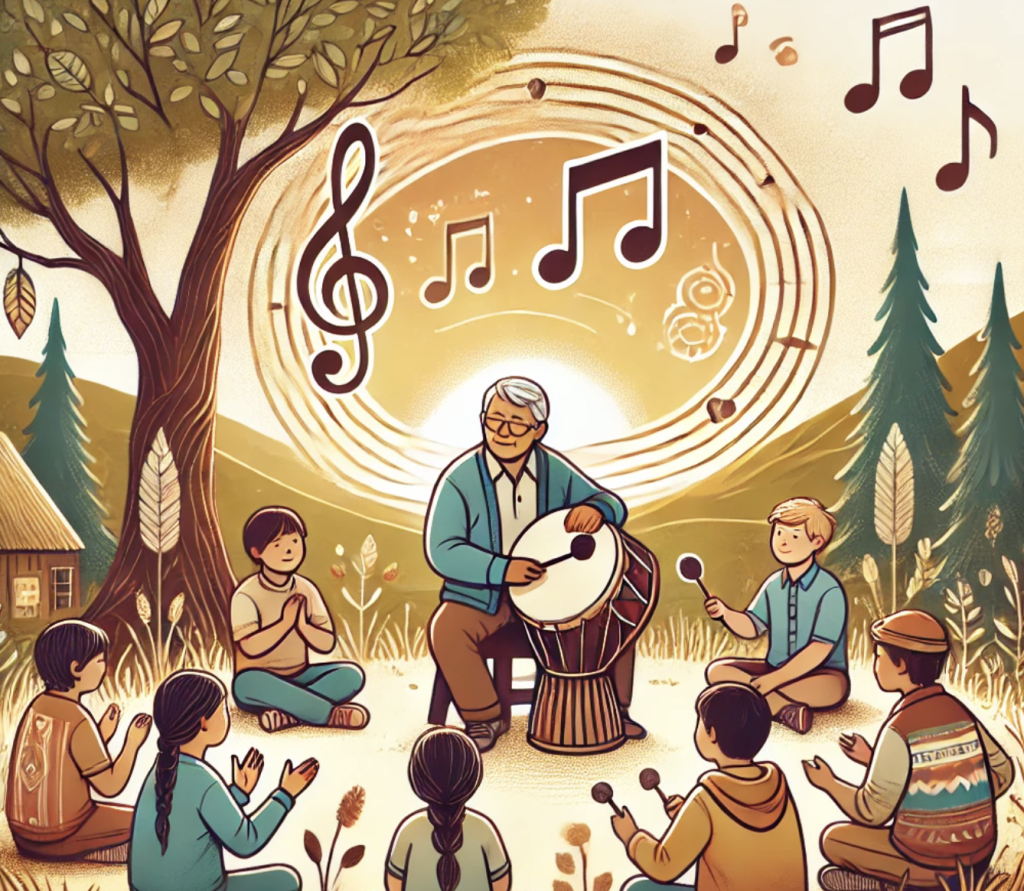
Music also brings communities together, creating opportunities for intergenerational learning. Elders can pass down songs and stories to younger members, ensuring that language and cultural knowledge are preserved.
Practical Tips for Parents and Educators
Incorporate Music into Daily Routines: Use songs during activities like car rides or chores to make language learning fun and engaging.
Explore Cultural Music: Introduce children to songs from various cultures, including Native American music. This helps them appreciate the cultural significance of language.
Create a Language Corner: Dedicate a space in your home or classroom to language learning through music. Include instruments, songbooks, and recordings of traditional songs.
Engage with Community Resources: Many Indigenous communities offer music-based programs to aid language learning. Reach out to local organizations or explore online resources.
Celebrate Indigenous Peoples’ Day: Use the holiday as an opportunity to honor Indigenous cultures through music. Participate in events and discuss the importance of language preservation with your children or students.
Keeping Cultures Alive Through Music
As we reflect on the evolution towards Indigenous Peoples’ Day, it’s clear that preserving language is essential to keeping cultural heritage alive. The Native American Languages Act was a significant milestone, but the work is far from finished. Music provides a powerful way to preserve and revitalize these languages, ensuring that future generations remain connected to their roots.
At Armelle For Kids, we are committed to using music as a tool for both language learning and cultural preservation. By incorporating music into the learning process, we can help children develop a deep appreciation for language and culture. Let’s continue supporting these efforts, not just on Indigenous Peoples’ Day, but every day.